
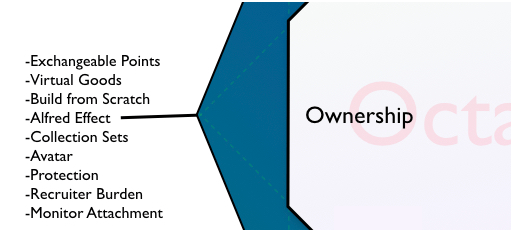
Image from https://yukaichou.com/gamification-examples/octalysis-complete-gamification-framework/
Assurance and auditing in chemical processing plants are crucial for ensuring compliance, safety, and efficiency. These processes, however, can often seem detached and impersonal to those involved. Employing gamification concepts like the “Ownership & Possession” core drive from the Octalysis Framework, developed by Yu-kai Chou, can create a more engaging and responsible environment. This blog post discusses the application of this principle to reinvigorate the assurance and auditing processes in a chemical processing plant.
Understanding “Ownership & Possession”
The “Ownership & Possession” core drive is about the human desire to own and collect things, as well as to have control over them. In assurance and auditing, this can create a sense of personal investment and responsibility in these processes.
- Personal Dashboards for Auditors: Implement personal dashboards where auditors can track their audits, findings, and recommendations, not only helping organize work but also instilling a sense of ownership over their contributions.
- Collectible Digital Badges for Compliance Milestones: Introduce a system of digital badges or tokens that employees can earn for completing audits, identifying potential risks, or implementing improvements. These collectibles can foster a sense of achievement and personal investment.
- Customization of Audit Tools and Reports: Allow auditors to customize their tools and reports, including personalizing the layout of audit reports or choosing specific metrics to focus on. Customization adds a personal touch, enhancing the sense of ownership.
- Rewarding Consistency and Improvement: Implement a rewards system that acknowledges consistent performance and improvement in assurance and auditing tasks, ranging from public recognition to tangible rewards, linking personal achievement to organizational goals.
- Participative Decision-Making in Audit Processes: Involve employees in decision-making processes related to assurance and auditing, including input on conducting audits, what areas to focus on, or how to implement findings effectively.
- Ownership of Safety and Compliance Records: Encourage employees to take ownership of their safety and compliance records involving maintaining personal logs or participating in self-audit activities, fostering a sense of responsibility for their compliance.
The Impact of “Ownership & Possession”
Implementing “Ownership & Possession” in assurance and auditing processes can lead to:
- Increased Engagement: Employees are likelier to engage in processes where they feel a sense of ownership.
- Improved Compliance and Accuracy: A sense of personal investment can lead to more thorough and accurate auditing processes.
- Enhanced Responsibility: When employees feel they own part of the process, they are more likely to take responsibility for the outcomes.
Conclusion
Applying the “Ownership & Possession” core drive from the Octalysis Framework to assurance and auditing in chemical processing plants can significantly enhance the effectiveness and engagement of these crucial processes. By fostering a sense of ownership among employees, these activities become more than just routine tasks; they become integral parts of each individual’s role within the organization. This approach drives compliance and efficiency and builds a more accountable and involved workforce, ultimately contributing to a safer and more reliable chemical processing environment.
To learn directly from Yu-Kai’s site:
The information in this article was partially generated by OpenAI’s ChatGPT, an AI language model, and has been reviewed/edited for accuracy and relevance. OpenAI. (2024). ChatGPT [Large language model]. Retrieved from https://chat.openai.com/




 Wee Write
Leave a comment