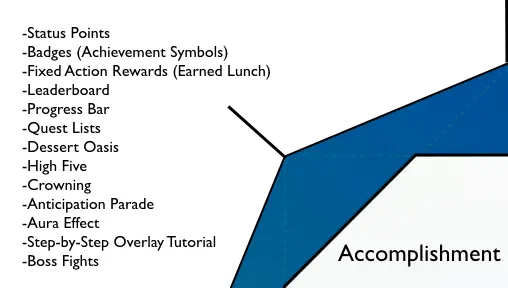
Image from https://yukaichou.com/gamification-examples/octalysis-complete-gamification-framework/.
In the world of chemical processing plants, maintaining rigorous occupational health and safety standards is crucial. Gamification, specifically the Octalysis Framework developed by Yu-kai Chou, offers an innovative approach to engage employees in safety practices. This blog post focuses on applying the “Development & Accomplishment” core drive from the Octalysis Framework to enhance safety protocols in a chemical processing plant.
Understanding “Development & Accomplishment”
“Development & Accomplishment,” one of the eight core drives in the Octalysis Framework, is centered around empowering individuals through progress, mastery, and achievement. In the context of a chemical plant, this principle motivates employees to adhere to and actively engage with safety practices.
- Setting Clear Goals and Milestones: The first step is establishing clear, achievable safety goals. These could range from zero accidents in a quarter to successful completion of safety drills. Each goal comes with tangible milestones to track progress.
- Progress Indicators: Installing Visual progress indicators such as dashboards or progress bars around the plant track the progress toward safety goals and provide immediate feedback, a critical component in reinforcing positive behavior.
- Skills Development and Training: Transforming regular training sessions into opportunities for skill development. Implementing a leveling-up system where employees earn badges or titles for completing safety training modules adds an element of accomplishment and encourages ongoing learning.
- Reward Systems: Incorporate a reward system to recognize safety achievements. Rewards can range from public acknowledgment in team meetings to tangible benefits like bonuses or extra vacation days. This system should align with the plant’s safety goals and individual accomplishments.
- Peer Recognition and Leaderboards: Use peer recognition and leaderboards to foster a competitive yet collaborative environment. Recognizing top performers in safety practices on leaderboards can stimulate healthy competition and a collective drive toward safety excellence.
- Regular Feedback and Improvement: Regular feedback sessions help identify areas for improvement and acknowledge individual and team accomplishments in safety. This approach ensures that the journey towards safety mastery is a continuous one.
The Impact of “Development & Accomplishment” on Safety
Applying “Development & Accomplishment” to occupational health and safety processes can have a profound impact:
- Increased Engagement: Gamifying safety training and protocols increases engagement and participation.
- Sustainable Safety Culture: By celebrating achievements, a culture that values continuous improvement in safety practices is fostered.
- Empowered Employees: Employees feel more empowered and accountable for their safety contributions.
Conclusion
Integrating the “Development & Accomplishment” core drive of the Octalysis Framework into the safety protocols of a chemical processing plant can transform mundane safety practices into a dynamic and engaging journey. It enhances compliance with safety standards and builds a robust safety culture where each individual feels a sense of achievement and pride in contributing to a safer workplace. Through this gamified approach, we can create environments where safety is beyond a requirement but a celebrated and integral part of daily operations.
To learn directly from Yu-Kai’s site:
The information in this article was partially generated by OpenAI’s ChatGPT, an AI language model, and has been reviewed/edited for accuracy and relevance. OpenAI. (2024). ChatGPT [Large language model]. Retrieved from https://chat.openai.com/




 Wee Write
Leave a comment