
Image from https://yukaichou.com/gamification-examples/octalysis-complete-gamification-framework/
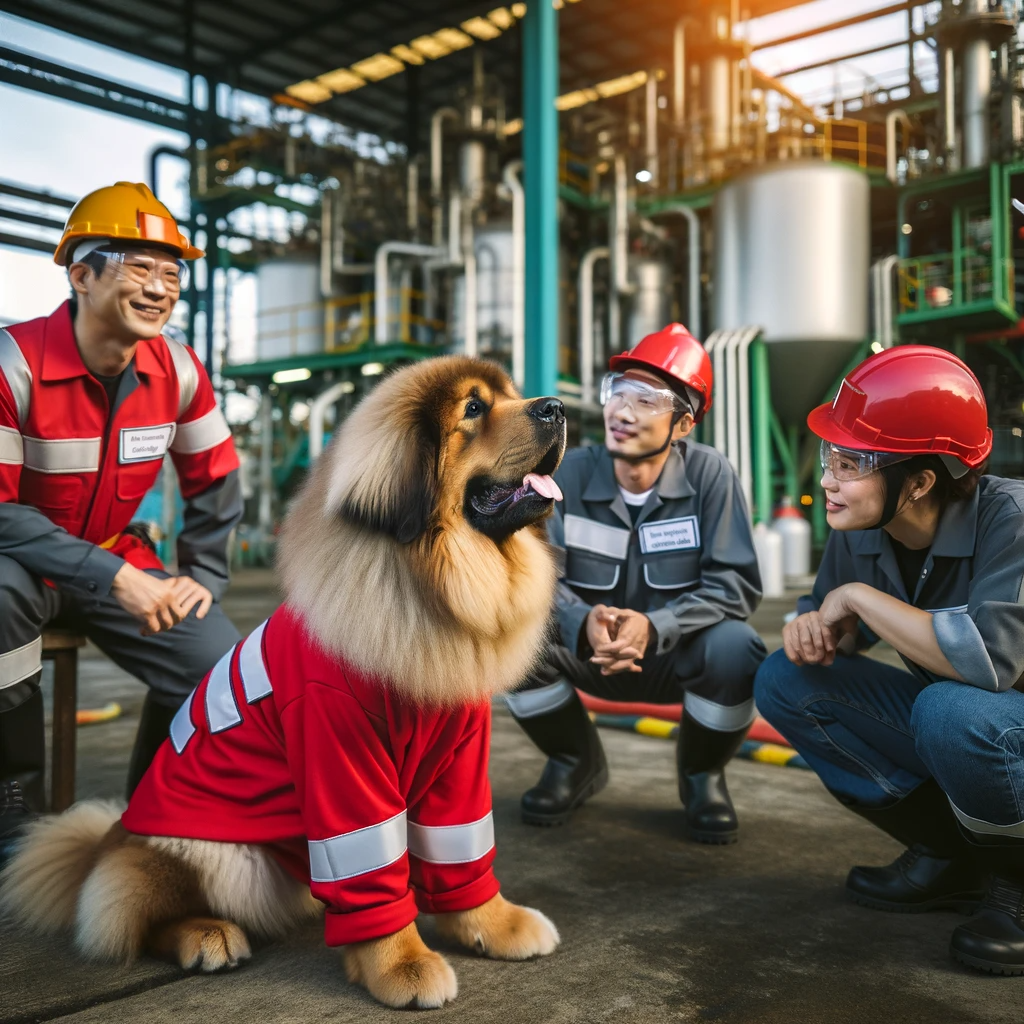
In the intricate and hazardous world of chemical processing plants, we can’t overstate the importance of a robust occupational health and safety system. An innovative way to enhance these systems is through gamification, utilizing frameworks like the Octalysis model created by Yu-kai Chou. This blog post focuses on applying the “Social Influence & Relatedness” core drive of the Octalysis Framework to bolster safety processes in a chemical processing plant.
Understanding “Social Influence & Relatedness”
“Social Influence & Relatedness,” one of the eight core drives in the Octalysis Framework, revolves around the human desire for social connections and interactions. This drive can be particularly influential when teamwork and communication are essential for safety.
- Peer-to-Peer Safety Training: Implement sessions where employees can share knowledge and safety practices, enhancing learning and building a sense of community and mutual responsibility.
- Safety Mentorship Programs: Establish mentorship programs where experienced workers guide newer employees in safety protocols, fostering a culture of support and continuous learning and strengthening the bonds between team members.
- Collaborative Safety Challenges: Organize team-based safety challenges that require collaboration to achieve common goals. These could include drills, hazard identification exercises, or innovation challenges focused on improving safety measures.
- Recognition of Team Efforts: Create a system to recognize and celebrate team achievements in safety. Acknowledging the collective effort reinforces the idea that safety is a shared responsibility and success.
- Social Networks for Safety Discussions: Use internal social networks or forums where employees can discuss safety ideas, share experiences, and provide mutual support. This platform can be a valuable tool for fostering a community around safety issues.
- Storytelling and Shared Experiences: Encouraging storytelling where employees share personal safety-related experiences can be a powerful way to convey the importance of safety protocols and learn from each other’s experiences.
The Impact of “Social Influence & Relatedness”
Incorporating “Social Influence and relatedness” into occupational health and safety processes brings several benefits:
- Enhanced Communication: Fosters open communication and sharing of safety-related information among employees.
- More robust Safety Culture: Builds a community-driven safety culture where everyone feels responsible for their safety and that of their colleagues.
- Increased Engagement: Employees are more likely to be engaged with safety protocols when they feel connected to their peers.
Conclusion
Applying the “Social Influence and relatedness” core drive from the Octalysis Framework to the safety processes in chemical processing plants can lead to a more collaborative and supportive safety culture. By leveraging social connections and the human desire for relatedness, safety becomes a shared mission where every employee plays an integral role. Such an approach enhances adherence to safety standards and fosters a workplace where safety is embedded in the fabric of the organizational culture, driven by mutual care and collaboration.
To learn directly from Yu-Kai’s site:
The information in this article was partially generated by OpenAI’s ChatGPT, an AI language model, and has been reviewed/edited for accuracy and relevance. OpenAI. (2024). ChatGPT [Large language model]. Retrieved from https://chat.openai.com/



 Wee Write
Leave a comment