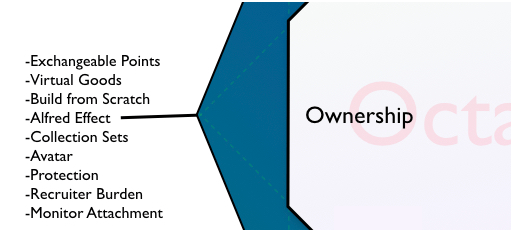
Image from https://yukaichou.com/gamification-examples/octalysis-complete-gamification-framework/
Introduction:
In the quest for sustainable environmental practices, particularly within the chemical processing industry, fostering a sense of ownership among employees can be a game-changer. The Octalysis framework, conceptualized by Yu-kai Chou, provides an insightful lens to view this challenge. This blog post delves into how the “Ownership & Possession” core drive of the Octalysis framework can be applied to Environment Management Systems (EMS) in chemical processing plants, cultivating a culture of personal responsibility and proactive environmental stewardship.
Understanding Ownership & Possession:
The “Ownership & Possession” core drive is about instilling a sense of personal stake and investment in an individual. In a workplace context, this translates to employees feeling that they have a personal impact on and a stake in the outcomes of their actions, especially regarding environmental initiatives.
Application in Environmental Management:
- Personal Responsibility Projects: Assign specific environmental responsibilities or projects to individuals or small teams. This could range from managing a recycling program to overseeing a water conservation initiative. Personal responsibility ensures that employees feel a direct connection to the environmental outcomes.
- Visible Impact of Actions: Create systems where the impact of individual or team actions on the environment is visible and measurable. For instance, displaying real-time data on resource usage or waste reduction can reinforce the sense of ownership over these metrics.
- Employee-led Initiatives: Encourage and support initiatives proposed and led by employees. This could involve giving them the autonomy to design and implement their projects or solutions to environmental challenges within the plant.
- Reward and Recognition Systems: Implement a reward system that acknowledges individual or team contributions to environmental goals. This could include recognition in company communications, monetary rewards, or additional responsibilities and privileges.
- Feedback and Continuous Improvement: Establish regular feedback sessions where employees can discuss their projects, share successes, and learn from challenges. This not only fosters a sense of ownership but also drives continuous improvement.
Benefits and Impact:
- Enhanced Employee Engagement: Employees are more engaged and motivated when they feel a sense of ownership over their work and its impact.
- Improved Environmental Performance: Personal investment in environmental initiatives often leads to more innovative and effective solutions, directly improving environmental performance.
- Positive Organizational Culture: Cultivating a sense of ownership contributes to a positive organizational culture where environmental stewardship is valued and promoted.
- Sustainable Practices: Long-term sustainable practices are more likely to be developed and maintained when employees have a personal stake in the outcome.
Conclusion:
Incorporating the “Ownership & Possession” core drive from the Octalysis framework into EMS in chemical processing plants represents a strategic approach to enhancing environmental management. Plows can foster a culture of proactive environmental stewardship by empowering employees with a sense of personal responsibility and stake in ecological outcomes. This approach leads to improved environmental metrics and contributes to a more engaged and committed workforce, driving the plant toward a more sustainable and responsible future.
To learn directly from Yu-Kai’s site:
The information in this article was partially generated by OpenAI’s ChatGPT, an AI language model, and has been reviewed/edited for accuracy and relevance. OpenAI. (2024). ChatGPT [Large language model]. Retrieved from https://chat.openai.com/


 Wee Write
Leave a comment