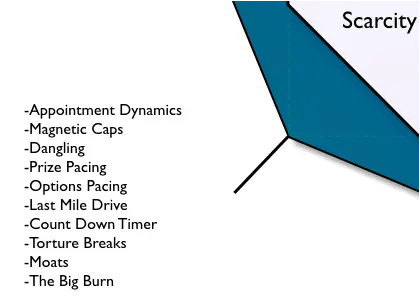
Image from https://yukaichou.com/gamification-examples/octalysis-complete-gamification-framework/
Introduction:
The Octalysis framework, created by Yu-kai Chou, offers a multifaceted approach to motivation and engagement, particularly in challenging environments like chemical processing plants. One intriguing aspect of this framework is the “Scarcity & Impatience” core drive, which can be effectively applied to enhance Environment Management Systems (EMS). This blog post explores how leveraging this principle can motivate employees and improve environmental practices within the chemical processing sector.
Understanding Scarcity & Impatience:
“Scarcity & Impatience” is a core drive that taps into the human desire for things they can’t have or have to wait for. In the context of EMS, this principle can create urgency and a sense of importance around environmental goals, making them more compelling and engaging for employees.
Application in Environmental Management:
- Limited-Time Challenges and Goals: Implement time-bound environmental challenges where employees are encouraged to meet specific objectives within a set period. The limited availability of these challenges can create a sense of urgency and drive engagement.
- Exclusive Rewards for Early Achievers: Offer exclusive rewards or recognition for teams or individuals who achieve environmental goals ahead of schedule. This exclusivity can motivate employees to act more promptly and efficiently.
- Progress Milestones with Scarcity Elements: Design environmental goals with scarce milestones. For instance, only the first few teams to reach an inevitable waste reduction or energy savings level receive special recognition or rewards.
- Visibility of Limited Resources: Regularly communicate about the limited nature of specific resources, such as water or energy, and the importance of conserving them. This visibility can create a sense of urgency around resource conservation efforts.
- Waitlisted Environmental Programs: Create highly desirable environmental programs or initiatives with limited spots, requiring employees to sign up or waitlist. The scarcity of opportunities can increase interest and perceived value.
Benefits and Impact:
- Enhanced Motivation and Urgency: Scarcity and urgency can significantly motivate employees to engage more actively with environmental initiatives.
- Improved Environmental Outcomes: Quick action and commitment to environmental goals can lead to more immediate and impactful ecological outcomes.
- Increased Employee Engagement: The excitement and competition generated by scarcity and time-bound challenges can lead to higher employee engagement and participation levels.
- Cultural Shift Towards Resource Conservation: Highlighting the scarcity of resources can foster a broader cultural shift within the plant towards conservation and sustainability.
Conclusion:
Applying the “Scarcity & Impatience” core drive from the Octalysis framework to EMS in chemical processing plants offers a unique and practical approach to driving environmental action. By creating a sense of urgency and exclusivity around ecological goals and initiatives, plants can motivate employees to participate actively and achieve better environmental outcomes. This approach enhances the efficiency and effectiveness of EMS and contributes to creating a more environmentally conscious and responsible workplace culture.
To learn directly from Yu-Kai’s site:
The 8 Core Drives of Gamification #6: Scarcity & Impatience
The information in this article was partially generated by OpenAI’s ChatGPT, an AI language model, and has been reviewed/edited for accuracy and relevance. OpenAI. (2024). ChatGPT [Large language model]. Retrieved from https://chat.openai.com/



 Wee Write
Leave a comment