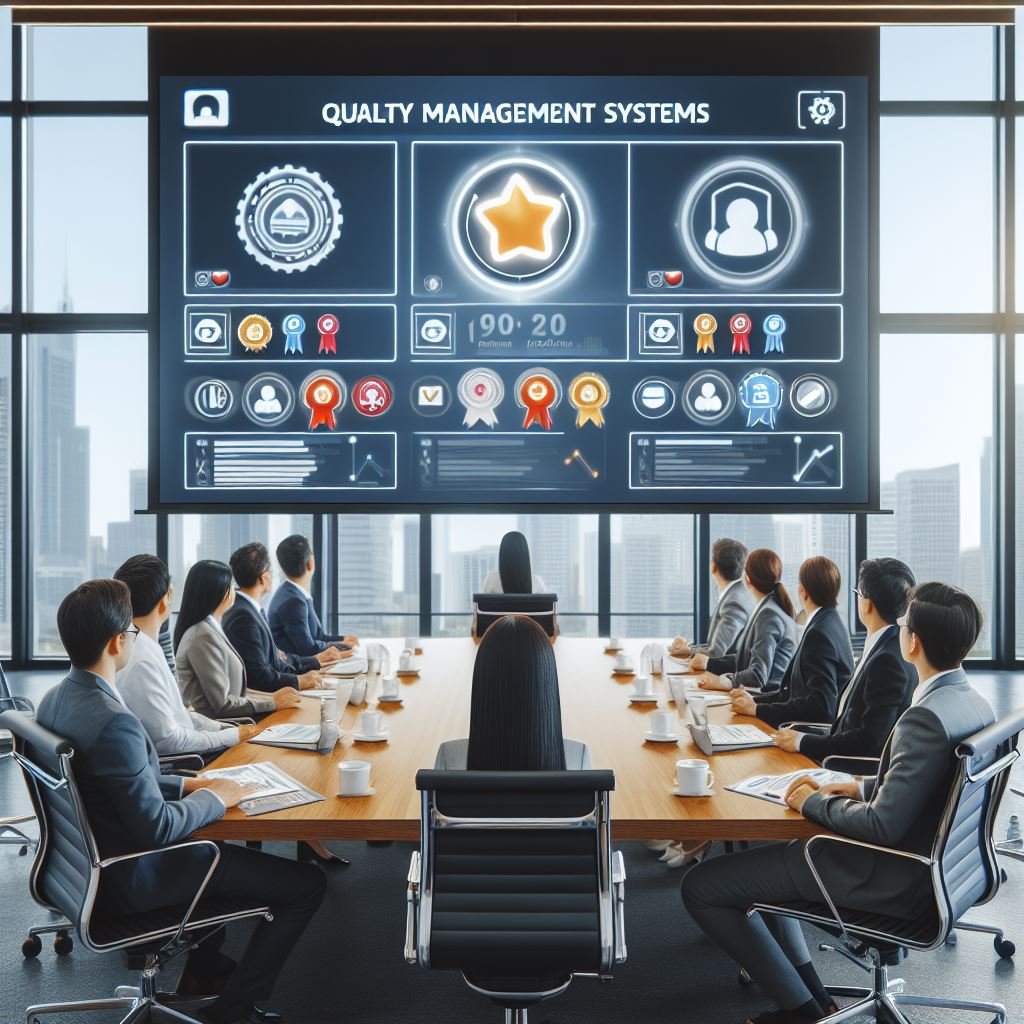

Image from https://yukaichou.com/gamification-examples/octalysis-complete-gamification-framework/
Introduction
Applying the Octalysis Framework “Epic Meaning and Calling” to Managing Quality in a Chemical Processing Plant
The Octalysis Framework, developed by Yu-kai Chou, is an acclaimed gamification model that utilizes eight core drives to influence behavior. Among these, “Epic Meaning and Calling” is a powerful tool, especially when applied to the often rigid and process-oriented environment of a chemical processing plant. This blog post explores how this core drive can be used to enhance quality management in such settings.
Understanding Epic Meaning and Calling
Epic Meaning and Calling is the drive where people are motivated because they believe they are part of something greater than themselves. In a workplace, this translates to employees feeling that their work has a significant impact and purpose beyond just the task at hand.
Implementation in a Chemical Processing Plant
- Creating a Vision of Greater Good: The first step is to associate the work in a chemical plant with a greater cause. For example, connect the plant’s operations to environmental sustainability, health, and safety. Employees should see their work not just as processing chemicals, but as a vital contribution to a healthier planet or to the advancement of science and technology.
- Storytelling and Branding: Develop a narrative around the plant’s role in society. This might involve stories of how the chemicals processed are used in critical applications like medicine, agriculture, or clean energy. This narrative should be a part of the company’s branding and communicated regularly to the employees.
- Employee Involvement in Quality Management: Engage employees in setting quality standards and in problem-solving when quality issues arise. When workers are part of the decision-making process, they feel more responsible and connected to the outcomes.
- Recognizing Contributions: Acknowledge and celebrate when teams or individuals contribute to maintaining or enhancing quality. Recognition programs can be designed to highlight how these contributions align with the plant’s greater purpose and goals.
- Educational Programs: Implement educational initiatives that help employees understand the broader impact of their work. This could include guest speakers from industries that use the plant’s products, or visits to sites where the products are utilized.
- Community Engagement: Involve employees in community outreach programs that are related to the plant’s products or services. This could include environmental cleanup projects, educational workshops, or public health initiatives.
- Feedback Loop: Establish a system where employees can see the results of their work. For instance, sharing customer feedback, or data on how the plant’s products have contributed to societal benefits.
Challenges and Considerations
- Balancing the Big Picture with Day-to-Day Operations: It’s crucial to maintain a balance between inspiring employees with the bigger picture and keeping them focused on the daily operational demands of a chemical plant.
- Cultural Shift: Implementing this framework requires a cultural shift in the organization, which should be managed carefully to ensure buy-in from all levels of staff.
- Continuous Effort: Epic Meaning and Calling is not a one-time effort. It requires continuous nurturing through consistent communication and reinforcement.
Conclusion
Integrating the concept of Epic Meaning and Calling from the Octalysis Framework into quality management at a chemical processing plant has the potential to transform the mundane into the extraordinary. By connecting daily tasks to a greater purpose, employees are more likely to engage deeply with their work, leading to improved quality and productivity. This approach not only benefits the plant’s bottom line but also contributes to a more motivated and satisfied workforce.
To learn directly from Yu-Kai’s site:
The information in this article was partially generated by OpenAI’s ChatGPT, an AI language model, and has been reviewed/edited for accuracy and relevance. OpenAI. (2024). ChatGPT [Large language model]. Retrieved from https://chat.openai.com/


 Wee Write
Leave a comment