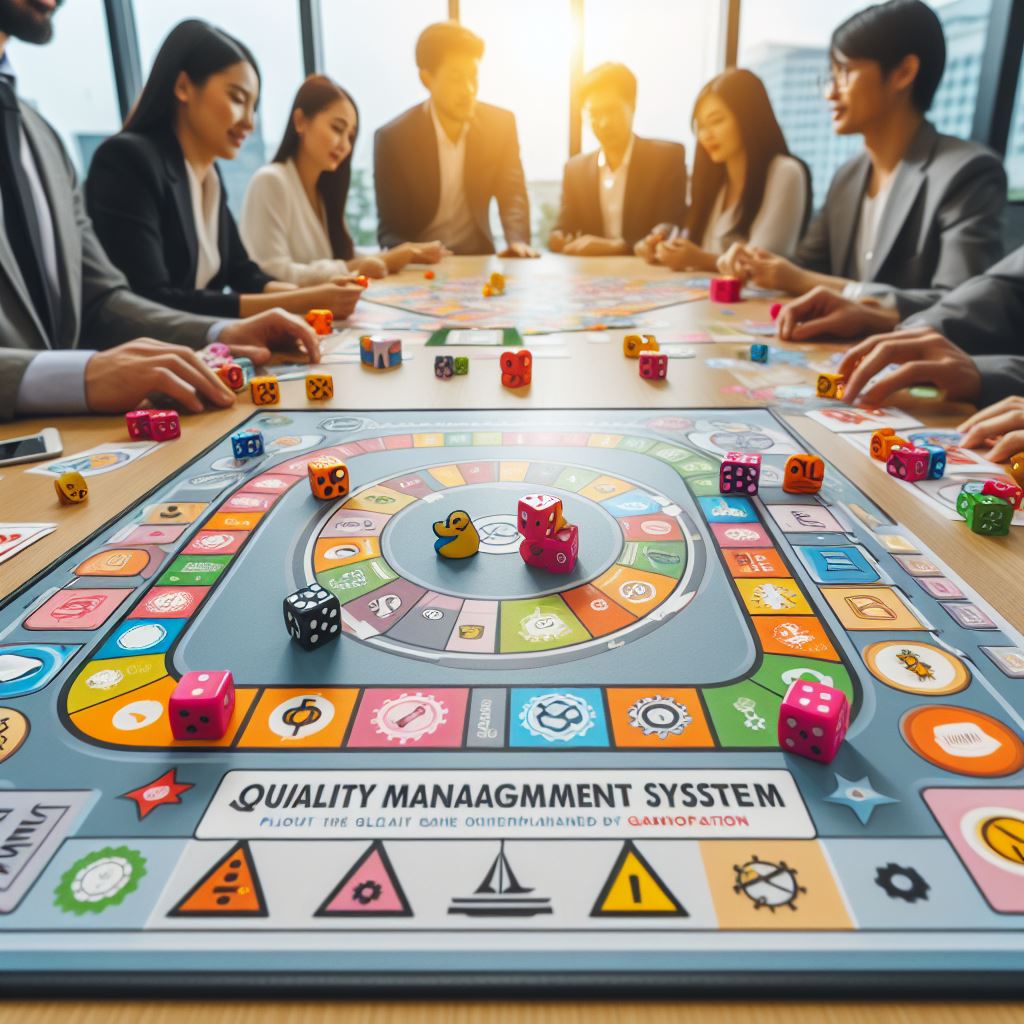

Image from https://yukaichou.com/gamification-examples/octalysis-complete-gamification-framework/
Introduction:
Applying the Octalysis Framework “Social Influence & Relatedness” to Managing Quality in a Chemical Processing Plant
Integrating gamification into workplace management is becoming increasingly popular as a strategy to boost employee engagement and productivity. One of the core drives of Yu-kai Chou’s Octalysis Framework, “Social Influence & Relatedness,” is particularly relevant for enhancing team dynamics and overall performance in a chemical processing plant. This principle leverages the human need for social interaction and belonging. This blog post will explore the application of this drive to improve quality management in a chemical processing environment.
Understanding Social Influence & Relatedness
“Social Influence & Relatedness” pertains to the human desire to connect with others and be part of a group. This drive encompasses elements like mentorship, social acceptance, social feedback, companionship, and even competition. In a workplace, it translates into creating a sense of community, fostering peer relationships, and encouraging team collaboration.
Implementation in a Chemical Processing Plant
- Team-Based Quality Goals: Set up team-based objectives for quality control and improvement. Encourage teams to work together to meet these goals, fostering a sense of camaraderie and shared purpose.
- Mentorship Programs: Establish mentorship programs where experienced employees can guide newer or less experienced team members. This not only helps in transferring knowledge but also in building relationships and a sense of belonging.
- Peer Recognition Systems: Create a system where employees can recognize and appreciate each other’s contributions to quality management. This could be through informal ‘thank you’ notes, digital badges, or recognition in team meetings.
- Inter-Departmental Collaboration: Promote collaboration between different departments for quality initiatives. This helps in broadening perspectives, sharing best practices, and creating a more cohesive approach to quality management.
- Social Events and Team Building Activities: Organize social events and team-building activities that are not directly related to work. These events can help build trust and camaraderie among employees, which translates into better teamwork in the workplace.
- Feedback and Discussion Forums: Provide platforms for open discussion and feedback on quality issues. This could be regular team meetings, suggestion boxes, or digital forums. Encourage open and honest communication.
Challenges and Considerations
- Balancing Competition and Collaboration: While healthy competition can be motivating, it’s important to balance this with collaboration and ensure that it doesn’t lead to negative workplace dynamics.
- Inclusivity: Ensure that all employees, regardless of their role or seniority, feel included and valued in social and team activities. It’s important to foster an inclusive environment.
- Aligning with Safety and Regulatory Standards: While promoting social interaction and team collaboration, it’s crucial to ensure that all activities and interactions align with the safety and regulatory standards of the chemical processing environment.
Conclusion
Integrating the “Social Influence & Relatedness” aspect of the Octalysis Framework into quality management practices in a chemical processing plant can significantly enhance the way employees work together and perceive their roles. By fostering a sense of community, encouraging peer recognition, and promoting team collaboration, employees are more likely to feel connected and committed to their work and the organization. This not only leads to improvements in quality but also contributes to a more positive and collaborative workplace culture.
To learn directly from Yu-Kai’s site:
The information in this article was partially generated by OpenAI’s ChatGPT, an AI language model, and has been reviewed/edited for accuracy and relevance. OpenAI. (2024). ChatGPT [Large language model]. Retrieved from https://chat.openai.com/

 Wee Write
Leave a comment