
Image from https://yukaichou.com/gamification-examples/octalysis-complete-gamification-framework/
Occupational health and safety in chemical processing plants are critical areas that benefit significantly from innovative and engaging approaches. The Octalysis Framework, developed by Yu-kai Chou, offers a gamification model to enhance these aspects. This blog post delves into applying the “Empowerment of Creativity & Feedback” core drive from this framework to revolutionize safety processes in a chemical processing environment.
Understanding “Empowerment of Creativity & Feedback”
The “Empowerment of Creativity & Feedback” core drive is about allowing individuals to express their creativity, experiment, and then receive immediate feedback on their actions. This approach can be efficient in a setting like a chemical processing plant, where safety procedures appear rigid and inflexible.
- Encouraging Creative Problem-Solving: Encourage employees to develop innovative solutions to safety challenges. For instance, tasking teams with developing new safety protocols or improving existing ones, empowering workers to think creatively and take ownership of safety processes.
- Ideation Platforms: Implement digital platforms or physical suggestion boxes where employees can propose safety improvements or new ideas. Regularly reviewing these suggestions and implementing feasible ones, giving credit to the contributors, creating a loop of contribution, implementation, and recognition.
- Prototyping and Testing: When employees propose new safety ideas, allow for a prototyping phase, simulate a new safety process, or trial a new piece of safety equipment in a controlled environment. Offer constructive feedback to the teams, fostering a culture of trial and error.
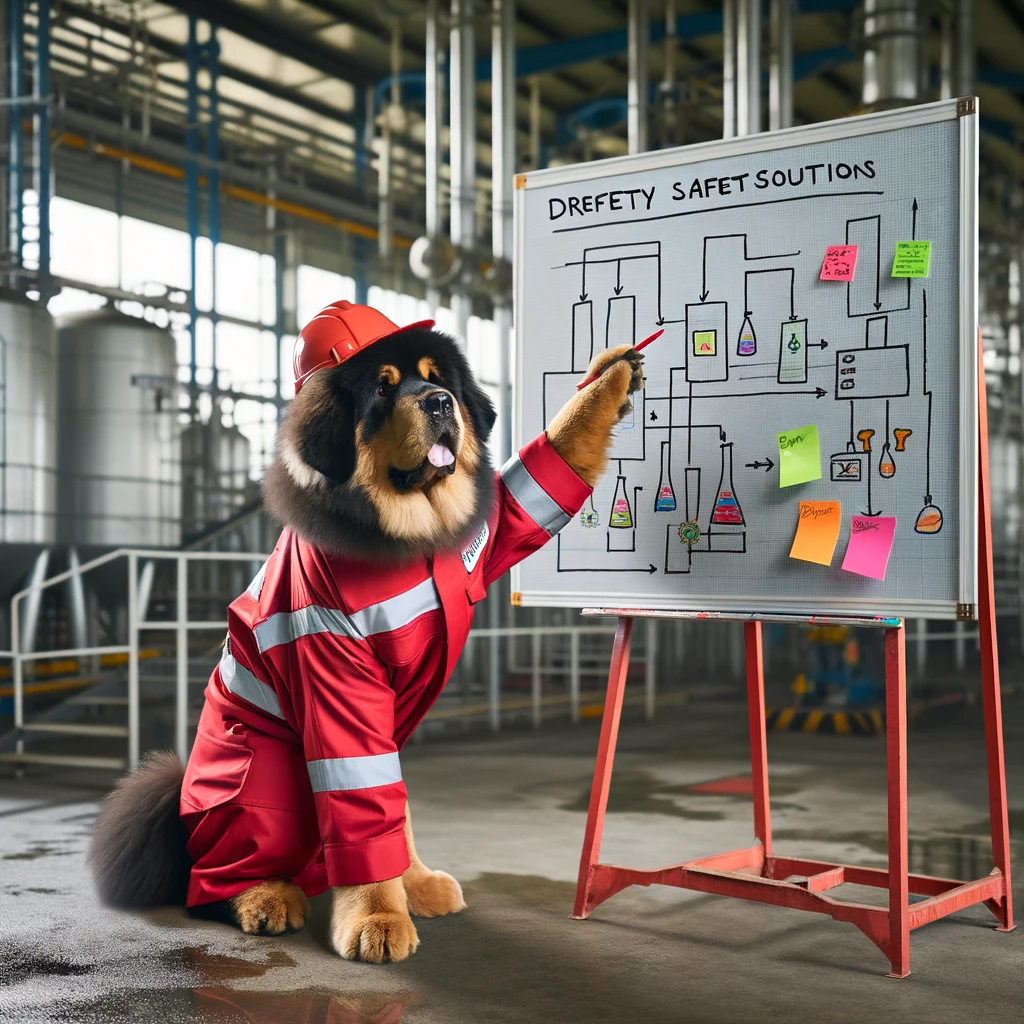
- Gamified Challenges: Introduce gamified challenges that require creative thinking. For example, a competition where players design safety mascots or a game simulating emergency scenarios requires employees to think quickly and devise solutions.
- Feedback Mechanisms: Establish clear, constructive, and immediate feedback mechanisms. Feedback should be a loop that helps employees understand the impact of their creative contributions and guides them toward continuous improvement.
- Recognition of Creative Contributions: Recognize and reward creative contributions that enhance safety through awards, public acknowledgment, or tangible benefits. The key is to make employees feel valued for their creative input.
The Impact of “Empowerment of Creativity & Feedback”
By applying this core drive, chemical processing plants can expect the following:
- Increased Engagement in Safety Processes: Employees are more likely to engage with safety protocols when they feel their creative input is valued.
- Innovative Safety Solutions: Fresh perspectives can lead to innovative safety practices that might be more effective than traditional methods.
- Positive Cultural Shift: This approach can shift the safety culture from compliance to proactive involvement and continuous improvement.
Conclusion
Integrating “Empowerment of Creativity & Feedback” from the Octalysis Framework into chemical processing plants’ occupational health and safety processes can lead to a more engaged, proactive, and safe working environment. This approach enhances adherence to safety protocols and nurtures a culture where every employee feels empowered to contribute creatively to the safety narrative. In such a culture, safety becomes a responsibility and a canvas for innovation and continuous improvement.
To learn directly from Yu-Kai’s site:
The information in this article was partially generated by OpenAI’s ChatGPT, an AI language model, and has been reviewed/edited for accuracy and relevance. OpenAI. (2024). ChatGPT [Large language model]. Retrieved from https://chat.openai.com/



Leave a Reply