Every corporate divestment eventually arrives at the same final crossroads. The paperwork is finalized, the buyers make their final bids, and the executives prepare to hand over the keys.
Traditional corporate thinking says that at this stage, the employees have lost. The spreadsheet won. You are now the property of a new corporate entity, waiting to see what the new masters dictate.
But true defiance looks at the final signature and delivers the ultimate, unyielding declaration: My destiny is shaped by me, not by heaven.
Because when a team refuses to paralyze itself with fear, stops gossiping in the breakrooms, and instead bends its collective brilliance toward solving the deepest constraints of the marketplace, something miraculous happens. The entire power dynamic of the sale completely flips. You stop being a helpless asset up for liquidation, and you become an untouchable market force.
In the climax of It’s Not Luck, this is exactly what exploded across the divisions.
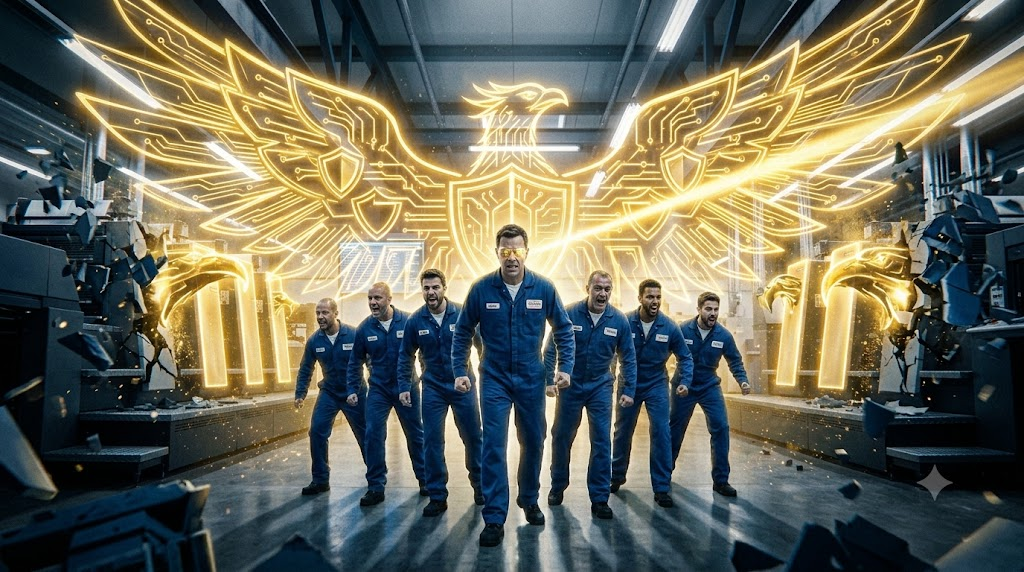
When Pete’s printing team took their “Mafia Offer” into the real world, the market’s response was like a tidal wave. Skeptical corporate buyers who had spent decades locked into contracts with multi-billion-dollar printing giants were so completely blown away by the elimination of their own inventory risks that they didn’t just give Pete minor runs—they actively poached themselves from the giants and handed their entire multi-million-dollar portfolios over to Pete’s staff.
The wrapper department, which corporate had written off as a dying, bleeding liability, completely transformed into a massive, nine-million-dollar profit engine.
Simultaneously, over at the cosmetics division, Bob’s daily replenishment and consignment model turned their retail network into an absolute cash-generating monster, slashing corporate receivables from 116 days to a stunning 45 days. They didn’t just grow; they structurally locked down their market.
When corporate headquarters and the outside board directors, Trumann and Doughty, looked at the updated numbers, the predatory landscape completely evaporated. The board immediately slowed down the sale process. The corporate raiders who wanted to buy Stacey’s Pressure-Steam division just to shred it apart, fire the staff, and absorb the clients suddenly found themselves priced out.
Why? Because the employees had proven a fundamental economic law: the true value of a company does not exist in its bricks, its mortar, or its physical machinery. The true value exists entirely inside the unique, logic-driven operational system created by the people who show up to do the work every single day.
To dismantle the company now would be an act of financial insanity for any buyer.
Whether a divestment ends with a new logo on the building or a decision by corporate to halt the sale entirely, the ultimate objective remains exactly the same: we thrive on our own terms first. We do not wait for a new owner to make us great. We become so operationally excellent, so indispensable to our customers, and so fiercely aligned that we eat our competitors for breakfast—forcing whoever buys us to leave us completely alone to keep the gold mine running.
The spreadsheets belong to corporate. But the future? The future belongs entirely to us. Let’s go build it.




Leave a Reply