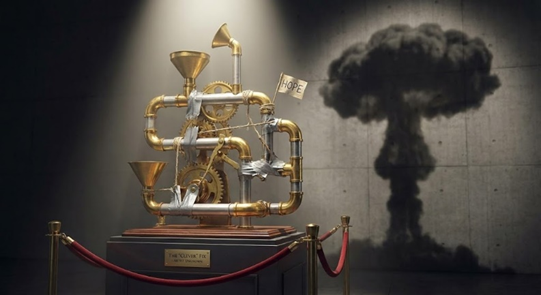
In the world of Process Safety, the most dangerous person is often the “Smart Engineer” with a “Quick Fix.”
We teach our teams to fear external threats: corrosion, vibration, and extreme weather. But we rarely teach them to fear their own brains.
There is a cognitive bias known as the IKEA Effect (a subset of Octalysis Core Drive 4: Ownership & Possession). It states that labor leads to love. The more effort we put into creating something—whether it’s a particleboard bookshelf or a temporary piping bypass—the more we overvalue it.
This is the hidden killer of Management of Change (MOC) protocols.
When an engineer or operator spends three days designing a clever workaround to keep a unit running, they fall in love with that solution. They lose the ability to objectively assess its risk. They don’t see a potential pipe failure; they see their own ingenuity.
Here is how to stop the IKEA Effect from bypassing your safety barriers.
The Psychology: My Baby is Beautiful
In ISO 45001 (Occupational Health and Safety), the clause on “Management of Change” requires us to assess potential unintended consequences of any modification.
However, the human brain is wired to defend its creations.
- The Bias: If I design a retrofit, my brain subconsciously ignores the data that suggests it might fail. I am not lying; I am blinded by ownership.
- The MOC Trap: When the creator of the change is also the one filling out the Risk Assessment checklist, they will check “Low Risk” almost every time. They aren’t assessing the risk; they are validating their effort.
1. The “Ugly Baby” Protocol (Red Teaming)
You cannot inspect your own work. The emotional attachment is too high.
- The Strategy: Implement a mandatory “Red Team” step for any Temporary MOC.
- The Rule: The person who designed the fix is not allowed to speak during the first 10 minutes of the Risk Assessment meeting.
- The Psychology: This forces the design to stand on its own merits, stripped of the creator’s persuasive “sales pitch.” The team attacks the design (calls the baby ugly) without fear of offending the parent immediately.
2. Anonymize the Solution
If possible, separate the name from the change.
- The Strategy: In high-stakes engineering reviews (like those outlined in Process Hazard Analysis), present the proposed change anonymously.
- The Shift: “Here is a proposed bypass for Pump B” vs. “Here is Steve’s idea for Pump B.”
- When the social pressure (Core Drive 5) is removed, the team is free to critique the physics rather than the person.
3. Gamify the “Kill”
Corporate culture usually rewards the people who “make things happen.” We give awards to the guy who installed the jumper wire that saved production. This incentivizes risky fixes.
To balance the IKEA Effect, you must reward the “Stop Work.”
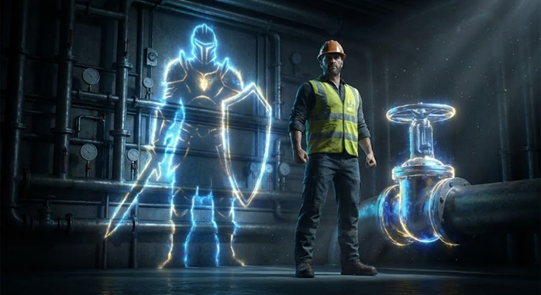
- The Mechanic: Create a “Barrier Guardian” award for any employee who stops a proposed Change because they found a hidden risk.
- The Narrative: “We love innovation, but we love integrity more.”
- The Result: You trigger Core Drive 3 (Empowerment of Creativity) in the opposite direction—creativity in finding flaws, rather than creativity in bypassing rules.
4. The “Temporary” Trap
The IKEA Effect is strongest with temporary repairs because they are often done under pressure (Core Drive 8: Scarcity). The adrenaline of “saving the day” creates a massive dopamine hit.
- The Danger: Temporary fixes have a habit of becoming permanent because the creator argues, “It’s working fine, why touch it?”
- The Fix: Hard-code an expiration date. If a temporary MOC is not removed or converted to permanent (with full engineering review) in 90 days, the unit shuts down. Remove the emotional attachment by automating the “End of Life” for the idea.

The Bottom Line
We want our engineers to be creative. We want them to take ownership.
But in Process Safety, love is a liability.
The moment you fall in love with your own solution, you stop being an engineer and start being a defender. The MOC process exists to break that emotional bond and force us to look at the cold, hard reality of risk.
Don’t trust the creator. Trust the critic.
The information in this article was partially generated by Google’s Gemini, an AI language model, and has been reviewed/edited for accuracy and relevance.




Leave a Reply